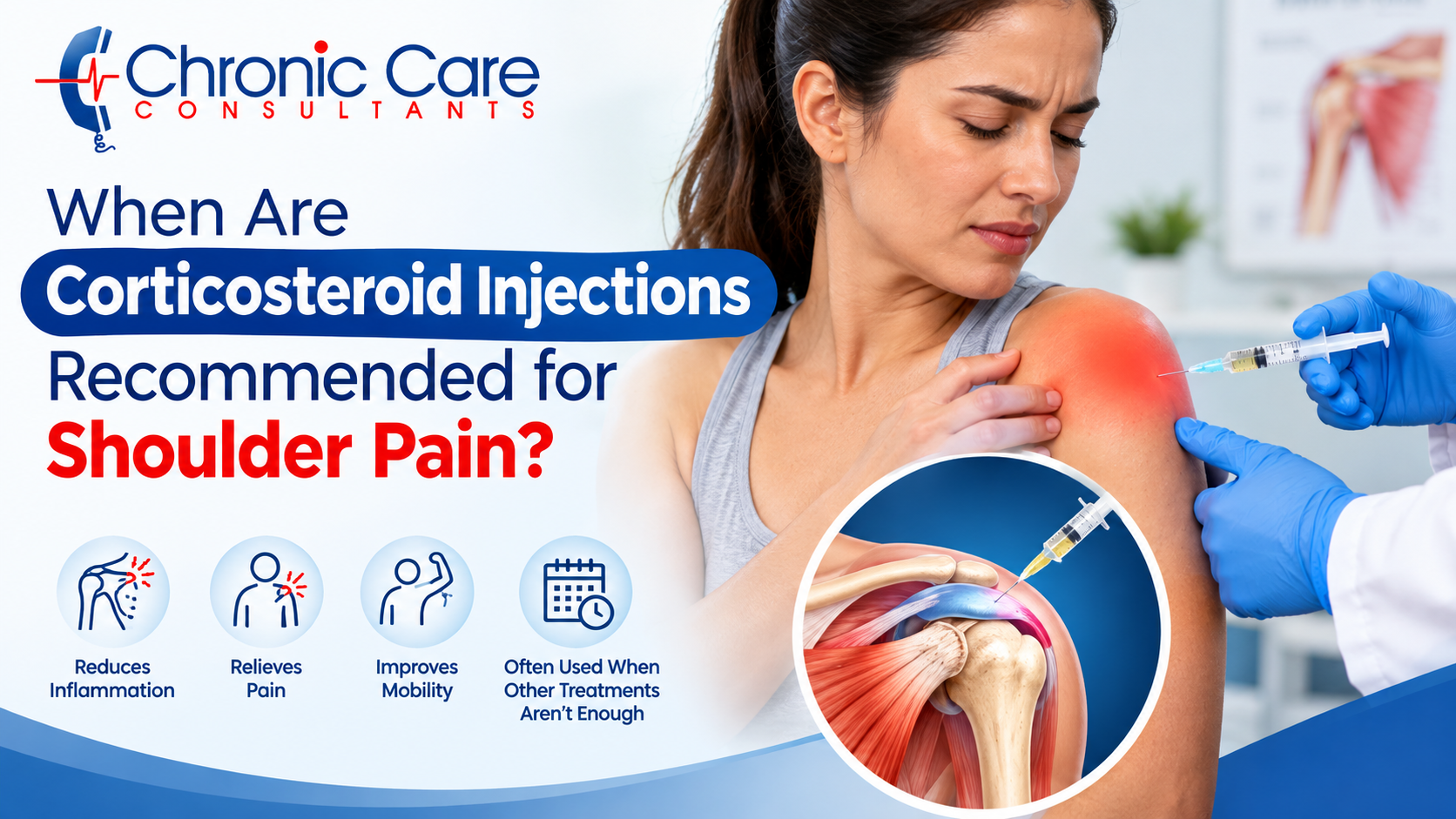
When Are Corticosteroid Injections Recommended for Shoulder Pain?
Summary: Heat or inflammation can be the cause of shoulder pain that can’t be helped by conservative care; in this case, corticosteroid injections can offer temporary relief. They can be used for treatments including rotator cuff pain, frozen shoulder, and arthritis. But injections cannot fix structural leaks, so should be recommended after appropriate clinical assessment.
Over time, shoulder pain may make simple tasks such as reaching, lifting a heavy object, or sleeping on an arm or side difficult. Sometimes, resting, physical therapy, medications, or changing how you do the activity does not help enough, and a corticosteroid injection may be a consideration.
Anti-inflammatory medications (corticosteroids) may temporarily decrease swelling and help people move and rehabilitate more easily. Rather, they are not applicable for all shoulder pain.
Which Shoulder Conditions May Benefit?
Corticosteroid injections can be beneficial for:
- Rotator cuff-related pain: When pain makes it difficult to move or rehabilitate, injection can decrease inflammation and alleviate pain for a short period of time.
- Frozen shoulder: When inflammation is affecting the range of motion that they are able to achieve, frozen shoulder is another condition where injection has a role to play to alleviate pain and make exercise a possibility.
- Shoulder arthritis: For certain shoulder conditions that aren’t served by other nonsurgical treatments, an injection can help alleviate the joint pain and stiffness until the arthritis is cleared up.
Treatment varies, depending on the cause, severity and length of the symptoms.
When Should You Consider an Injection?
An injection should be given following a physical examination of the shoulder by the healthcare professional and when inflammation is thought to be part of the cause of pain. It is especially beneficial for when the pain is so great it makes participation in physical therapy difficult.
One-on-one assessment will reveal if an injection is the proper pain management technique for a person, or if another option would be more effective towards the purpose of correcting the issue.
Are Corticosteroid Injections a Permanent Solution?
No. Corticosteroid injections primarily manage inflammation and pain. However, corticosteroid injections do not repair damaged tendons, restore healthy cartilage, or correct structural issues.
Repeated injections should also be used with caution. If you’re considering more injections, review the potential benefits and risks before proceeding, even if you may eventually need surgery to address the problem.
Diabetic patients also should consult their physician or practitioner about shots as the effect of steroids on blood glucose is temporary.
How Do Injections Fit Into Shoulder Pain Treatment?
Treatment typically involves an injection along with other treatments. Treatment may be physical therapy, exercises, activity modification, medications, injections or evaluation for surgery.
When searching for shoulder pain treatment in Portland, it is imperative that the right diagnosis is determined prior to selecting an injection process. Considering the root cause, not just masking symptoms, may lead to a more sensible long-term management approach.
What Should You Consider Before Choosing an Injection?
Corticosteroid injections can be beneficial if the effect of inflammation is causing chronic pain in the shoulder, but it isn’t suitable for all individuals. If the problem can be pinpointed, this will help the physician decide upon the most suitable treatment, such as an injection, physical therapy or medication.
Before taking any further action it is important to consult with a qualified pain specialist about your symptoms, medical history and treatment objectives.
What Happens After a Corticosteroid Injection?
Injection with a corticosteroid may help relieve pain and make daily living easier and physical therapy more comfortable. Patients are strongly encouraged to follow their provider’s activity and rehab guidelines instead of being encouraged to go straight back to strenuous shoulder use. If pain continues, intensifies or occurs regularly, additional assessment may be recommended to determine the root cause and alter treatment to address it.
Bottom Line
Injections of corti-so steroids can provide good immediate pain relief with some types of shoulder conditions, particularly if pain restricts motion and rehabilitation exercises. But they should be part of a multi-modal treatment plan, not a single therapy. Persistent pain in the shoulder that is limiting your ability to live a full, normal life should be addressed with personalized pain management in Tacoma, WI and available treatment options, talk to Chronic Care Consultants about it today.
FAQs
1. How long does a shoulder corticosteroid injection last?
The pain and functional benefits from corticosteroid injections typically are temporary, although there is some variability of relief.
2. Can an injection heal a rotator cuff tear?
No. It can help to decrease swelling and pain; however, it does not repair a torn tendon.
3. Can I have repeated corticosteroid injections?
It is important to take his or her choices into account with repeated injections as the risks may escalate with each one. Your provider can tell you if another injection is needed.
4. Are corticosteroid injections safe before shoulder surgery?
Timing matters. Planned surgery should always be discussed as surgical areas around some shoulder operations may have increased risks from corticosteroid injections.
5. What if my pain returns after an injection?
The cause of the returning pain should be reevaluated and another injection should not be immediately attempted. Your doctor may suggest other treatment, scans, or other treatments.